the poison
The poison is a lethal substance that drives the series of murders in the abbey, a yellowish, slimy compound that kills when ingested in minimal doses, leaving blackened fingers and tongue on its victims. It was originally kept by Severinus, stolen years before the events of the novel, and later used by Jorge of Burgos to protect the forbidden second book of Aristotle's Poetics by coating its pages, ensuring that anyone who read it with avid curiosity would die.
Origin and Theft
The poison was given to Severinus, the herbalist, by a traveling brother who could not identify its exact composition but warned that even minimal contact with the lips would cause death within half an hour, leading to a slow paralysis of all limbs. Severinus kept it for a long time, intending to study it, but it was stolen years before the novel's events. The theft was discovered after a great storm that devastated the infirmary; Severinus initially believed the ampoule had been broken and swept away with the debris, but later realized it could have been taken earlier by someone who deliberately left the door open and created the disorder to cover the crime. The novice Augustine, who died the previous year, was suspected but likely innocent, and the true thief was Jorge of Burgos, who had learned of the poison through his conversations with Severinus and Malachi.
Application to the Forbidden Book
Jorge used the poison to protect the only surviving copy of Aristotle's second book of the Poetics, which he had hidden in the finis Africae. He coated the pages of the Greek manuscript with the substance, so that anyone who read it with avid curiosity, moistening their fingers with saliva to turn the pages, would ingest the poison and die. This method ensured that the victim poisoned himself only to the extent that he wanted to read, making the book itself the agent of death. Jorge explained that he had used a brush and gloves to apply the poison, and that his hands, though blind, could see better than eyes in the dark.
Effects on Victims
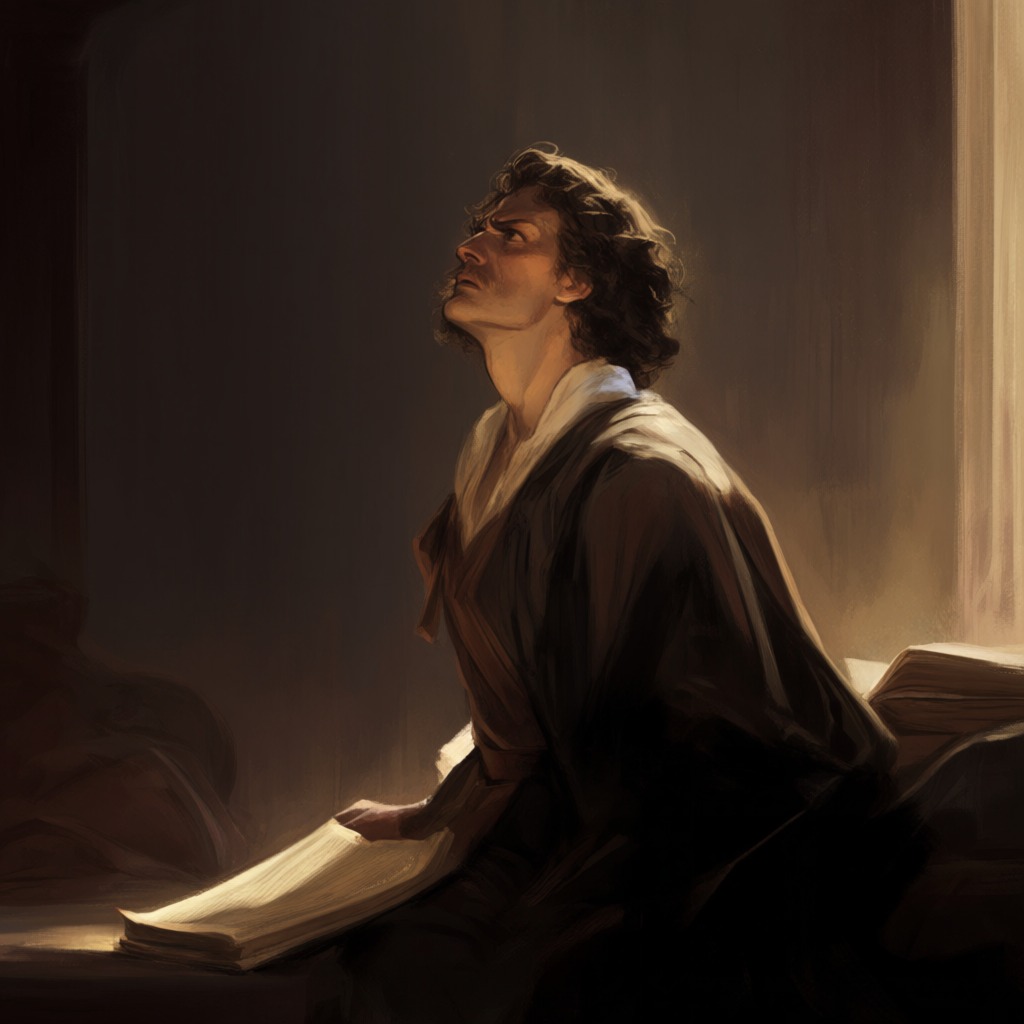
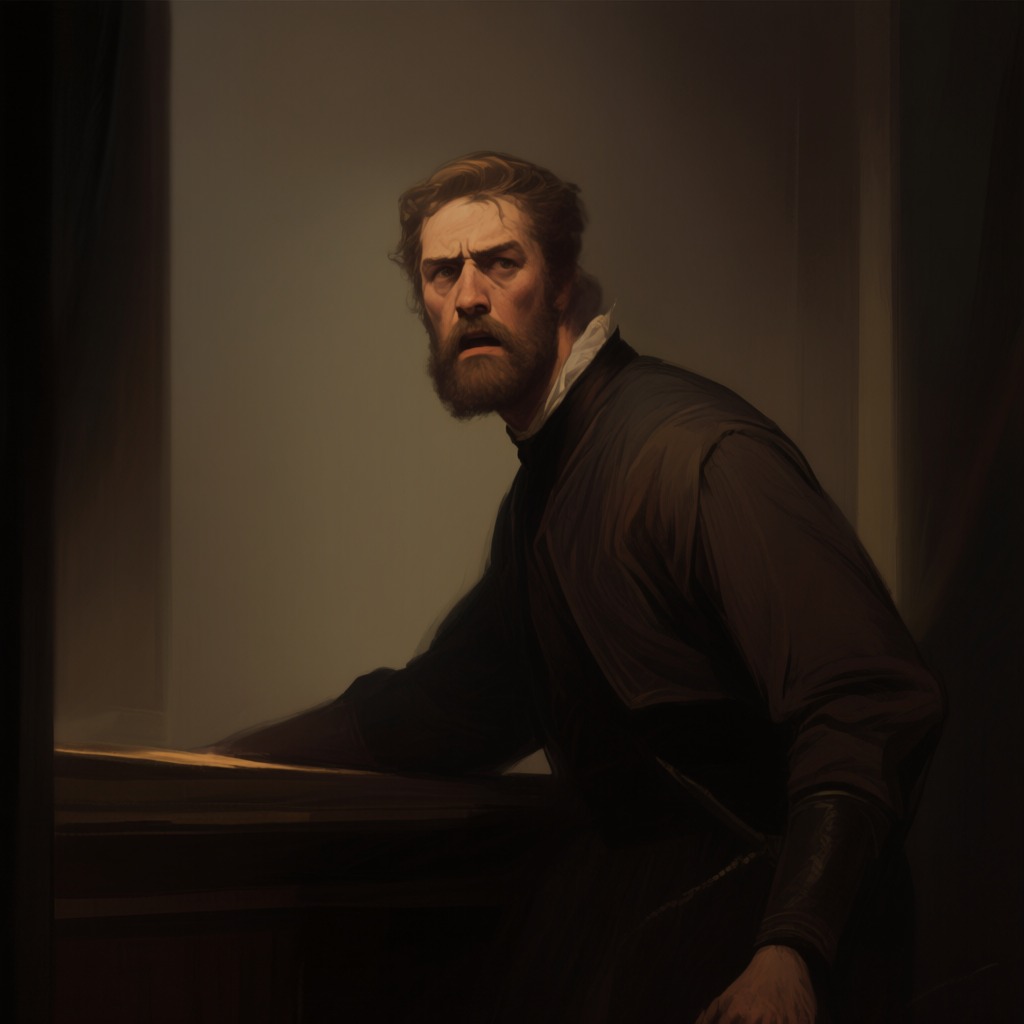
The poison left distinctive marks on its victims: blackened fingers and a black tongue, as seen on Venantius of Salvemec, Berengar of Arundel, and Malachi of Hildesheim. Venantius, who stole the book from the finis Africae and avidly leafed through it, felt ill and ran to the kitchen for water, where he died. Berengar, who later took the book to the infirmary to read it in secret, also ingested the poison and sought relief in a warm bath, where he drowned. Malachi, who retrieved the book from Berengar and returned it to the finis Africae, died after touching it, his tongue black and his fingers stained. Jorge himself, in a final act of defiance, tore the pages from the book and devoured them, knowing the poison would kill him as well.
Narrative Significance
The poison is the material link between the forbidden knowledge of Aristotle's lost book and the series of murders that William of Baskerville investigates. It embodies the central conflict of the novel: the struggle between the desire for knowledge and the fear of its consequences. Jorge's use of the poison to protect the book reflects his belief that laughter and comedy, as analyzed by Aristotle, would undermine the authority of the church and the fear of God. The poison, as a physical substance, makes tangible the deadly seriousness with which Jorge guards the secrets of the library, and its effects on the victims serve as a grim testament to the power of the forbidden text.